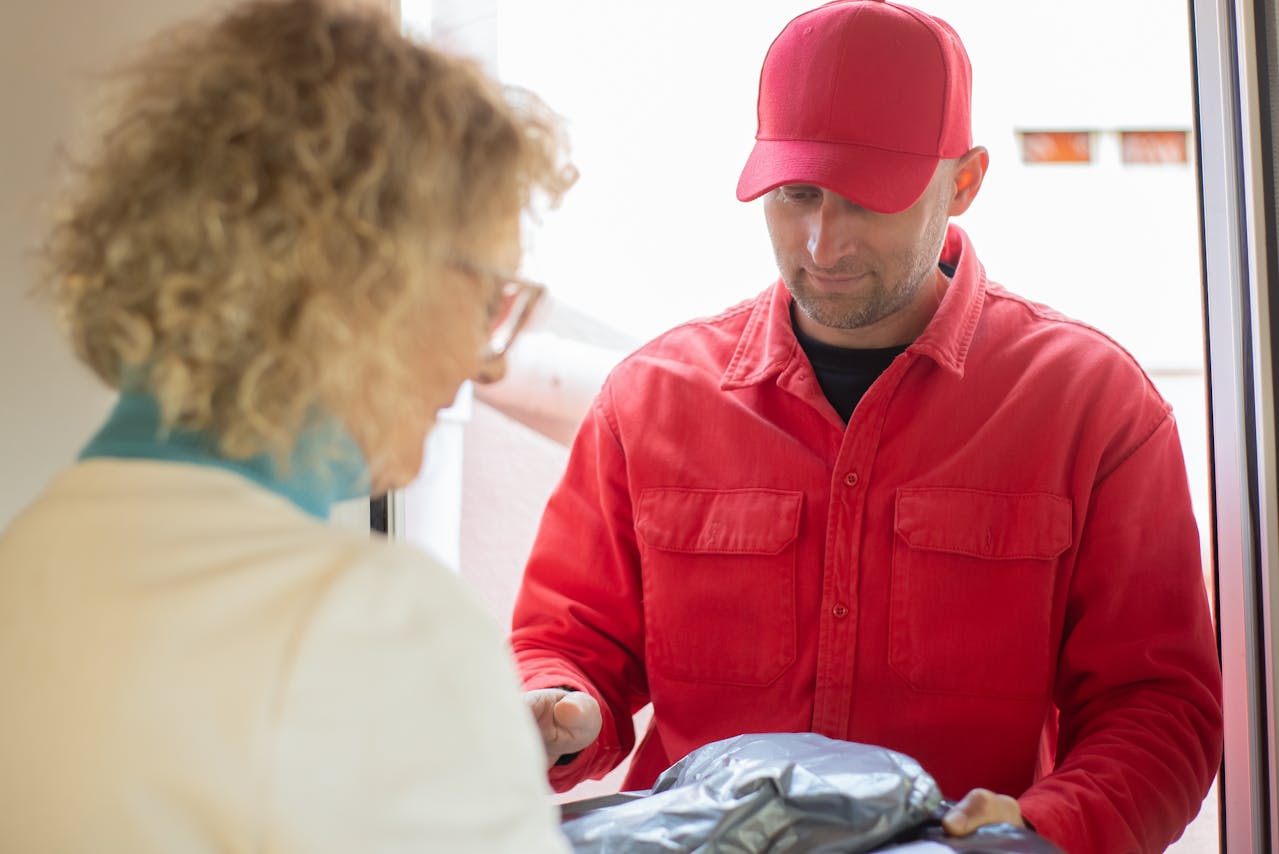
Italy’s bustling urban centers are experiencing a delivery revolution, and if you’re looking for flexible work with solid earning potential, you’ve landed in the right place. From the cobblestone streets of Rome to Milan’s modern districts, delivery jobs in Italy offer incredible opportunities for both locals and newcomers seeking reliable income and work-life balance.
Whether you’re a student needing part-time work, someone between careers, or simply looking for a flexible side hustle, Italy’s delivery sector has exploded with possibilities. Workers, often called couriers or riders, typically use bicycles, scooters, or cars and may be employed by food delivery platforms such as Glovo, Deliveroo, Just Eat, or Uber Eats. These jobs can be full-time or part-time and often allow flexible working hours.
The Italian Delivery Job Market: More Than Just Food
When most people think about delivery work in Italy, food immediately comes to mind – and for good reason. Pizza, pasta, and gelato deliveries are certainly part of the landscape. But Italy’s delivery economy extends far beyond restaurants. You’ll find opportunities in:
Food Delivery Services remain the most visible sector, with major players like Just Eat, Deliveroo, Glovo, and Uber Eats dominating Italian cities. These platforms have created thousands of jobs for riders who appreciate the freedom to work when they want.
E-commerce Package Delivery has skyrocketed, especially post-pandemic. Companies need reliable couriers to handle everything from Amazon packages to local boutique deliveries. This sector offers more predictable hours and often better long-term stability.
Pharmacy and Medical Deliveries represent a growing niche, particularly valuable for couriers who want to make a real difference in their communities while earning competitive wages.
Grocery and Retail Delivery services are expanding rapidly across Italian cities, with platforms connecting customers to their favorite stores through dedicated courier networks.
Salary Expectations: What You Can Really Earn
Let’s talk numbers – because that’s probably what you’re most curious about. A Delivery Driver working in Italy will typically earn around 13,540 EUR per year, and this can range from the lowest average salary of about 6,960 EUR to the highest average salary of 19,160 EUR. However, these figures tell only part of the story.
For food delivery riders specifically, earnings vary significantly based on your location, hours worked, and peak demand periods. The average delivery driver salary in Italy is 36.070 € or an equivalent hourly rate of 17 €. In major cities like Milan, A Delivery Driver working in Milano will typically earn around 12,620 EUR per year, and this can range from the lowest average salary of about 5,520 EUR to the highest average salary of 19,940 EUR.
The beauty of delivery work lies in its flexibility – many couriers supplement these base earnings with tips, bonuses during peak hours, and incentives offered by platforms during high-demand periods like weekends or bad weather.
Marco’s Story: From Student to Full-Time Courier
Marco, a 24-year-old from Naples, started delivering for Just Eat during his university years. “I needed something that fit around my class schedule,” he explains. “What started as weekend work to pay for textbooks became my full-time career after graduation.” Marco now manages his own route, works primarily during lunch and dinner rushes, and earns enough to support his young family while maintaining the flexibility he values. “The key is understanding your city’s rhythms and building relationships with regular customers,” he shares.
Popular Delivery Platforms and Companies in Italy
Just Eat stands out as one of Italy’s most established food delivery platforms. The vehicles allowed to work with us are: bikes, e-bikes and scooters. The equipment will be provided from Just Eat and shipped to the domicile address you entered in Italy. They provide equipment and have straightforward requirements for getting started.
Deliveroo operates extensively throughout Italian cities, known for their distinctive teal branding and focus on restaurant partnerships. They offer competitive rates and frequent incentive programs.
Glovo has gained significant market share with their “anything delivery” approach – not just food, but pharmacy items, groceries, and retail products.
Uber Eats brings their global platform expertise to Italy, offering robust app technology and flexible working arrangements.
Beyond food platforms, traditional logistics companies like DHL, UPS, and Italian postal services offer more structured employment with benefits packages for those seeking traditional employment rather than gig work.
Requirements and Getting Started
Starting your delivery career in Italy is refreshingly straightforward. Most platforms require:
Basic Documentation: Valid ID or passport, and for EU citizens, proof of residence in Italy. Non-EU citizens need appropriate work permits.
Transportation: Your choice of bicycle, e-bike, scooter, or car, depending on the platform and your preferred working style. Many platforms, like Just Eat, provide delivery bags and other necessary equipment.
Smartphone: Essential for receiving orders, navigation, and communication with customers and dispatch.
Physical Fitness: While not overly demanding, delivery work involves being active throughout your shift, especially for bike couriers.
Language Skills: Basic Italian helps significantly, though many platforms support multiple languages and tourists often appreciate English-speaking couriers.
The application process typically involves online registration, document verification, and sometimes a brief orientation session. Most platforms can have you working within a week of application.
Urban vs Rural: Where the Opportunities Are
Italy’s delivery job market heavily favors urban areas, and for obvious reasons. Cities like Rome, Milan, Naples, Turin, and Florence offer the highest concentration of opportunities. These metropolitan areas provide:
- Higher order volumes throughout the day
- Better earning potential due to shorter delivery distances
- More diverse delivery types beyond just food
- Public transportation backup for longer distances
- Greater customer base familiar with delivery services
However, smaller cities and tourist destinations shouldn’t be overlooked. Places like Venice, Pisa, and coastal towns during summer months can offer surprisingly good earning opportunities, especially for couriers who speak multiple languages and can cater to international tourists.
Peak Hours and Seasonal Opportunities
Understanding when to work makes the difference between occasional pocket money and substantial earnings. In Italy, delivery demand peaks predictably:
Daily Rush Periods: Lunch (12:00-14:30) and dinner (19:00-22:30) remain the golden hours for food delivery. Weekend evenings often extend these windows.
Seasonal Variations: Summer brings increased demand in tourist areas, while winter creates opportunities for those willing to work during less pleasant weather – often with bonus pay.
Special Events: Italian festivals, football matches, and holidays create surge demand periods where earnings can multiply.
Weather-Related Surges: Rainy days, extreme heat, or cold snaps often trigger bonus payments as demand increases while courier availability decreases.
Building Your Delivery Career: Tips for Success
Success in Italy’s delivery market isn’t just about showing up. Here’s what separates occasional workers from professional couriers:
Master Your Territory: Learn shortcuts, understand traffic patterns, and identify the best parking spots. Local knowledge translates directly into faster deliveries and better earnings.
Maintain Professional Standards: Italians appreciate courtesy, punctuality, and presentation. A professional appearance and friendly demeanor lead to better tips and customer ratings.
Diversify Your Platforms: Don’t rely on a single app. Many successful couriers work multiple platforms simultaneously, optimizing their schedule across different services.
Invest in Quality Equipment: Good weather gear, a reliable phone mount, and comfortable shoes make long shifts more manageable and profitable.
Track Your Performance: Monitor your earnings, peak hours, and most profitable routes. Treat your delivery work like the business it is.
Frequently Asked Questions
Q: Do I need special insurance to work as a delivery courier in Italy? A: Most platforms provide basic coverage during active delivery periods, but many couriers choose to supplement this with additional personal insurance, especially if using their own vehicle. Check with your chosen platform and consider consulting an insurance agent familiar with gig economy work.
Q: Can foreigners work delivery jobs in Italy? A: Yes, but EU citizens have the easiest path with no work permit requirements. Non-EU citizens need appropriate work visas or permits. Tourist visas typically don’t allow paid work, so ensure your legal status permits employment before starting.
Q: How quickly can I start earning money with delivery work? A: Most platforms process applications within 3-7 days. Once approved, you can typically start working immediately. Your first payments usually arrive within 1-2 weeks, depending on the platform’s payment schedule.
Q: Is delivery work safe in Italian cities? A: Italian cities are generally safe for delivery workers, but basic precautions apply: stay aware of your surroundings, secure your vehicle, and trust your instincts about unfamiliar areas. Most platforms provide 24/7 support and safety resources.
Q: What’s the difference between working as an employee versus freelance contractor? A: Most app-based platforms classify workers as independent contractors, offering flexibility but fewer traditional benefits. Some logistics companies offer employee positions with benefits but less schedule flexibility. Consider your priorities: flexibility versus security.
The Human Side of Delivery Work
Let’s be honest – delivery work isn’t glamorous. You’ll deal with traffic, weather, demanding customers, and the occasional technical glitch that makes you want to throw your phone into the nearest fountain. But there’s something uniquely rewarding about this work that keeps people coming back.
You become part of your city’s daily rhythm. You’re the person who brings comfort food during someone’s rough day, ensures medication reaches elderly residents, or makes a busy parent’s evening just a little easier. In a world that often feels disconnected, delivery workers create genuine human connections.
The flexibility is real, not just marketing speak. You can work around your life, not the other way around. Need to pick up your kids from school? No problem. Want to take a spontaneous weekend trip? You’re your own boss. This freedom has genuine value, especially in today’s increasingly rigid employment landscape.
Your Next Steps Forward
Italy’s delivery economy isn’t slowing down anytime soon. E-commerce continues growing, urbanization increases, and consumers increasingly value convenience. For people willing to work hard and smart, delivery jobs offer a legitimate path to financial independence with unmatched flexibility.
Whether you’re looking for temporary income, a career change, or want to be part of Italy’s evolving urban landscape, delivery work offers opportunities that adapt to your life circumstances. The key is starting – download those apps, gather your documents, and take the first step.
Your delivery career in Italy is waiting. The streets are calling, the opportunities are real, and the community of couriers is always ready to welcome someone new who’s ready to work hard and serve their city. Why not start today?
Remember, every successful courier started with that same first delivery. Yours could be just around the corner.