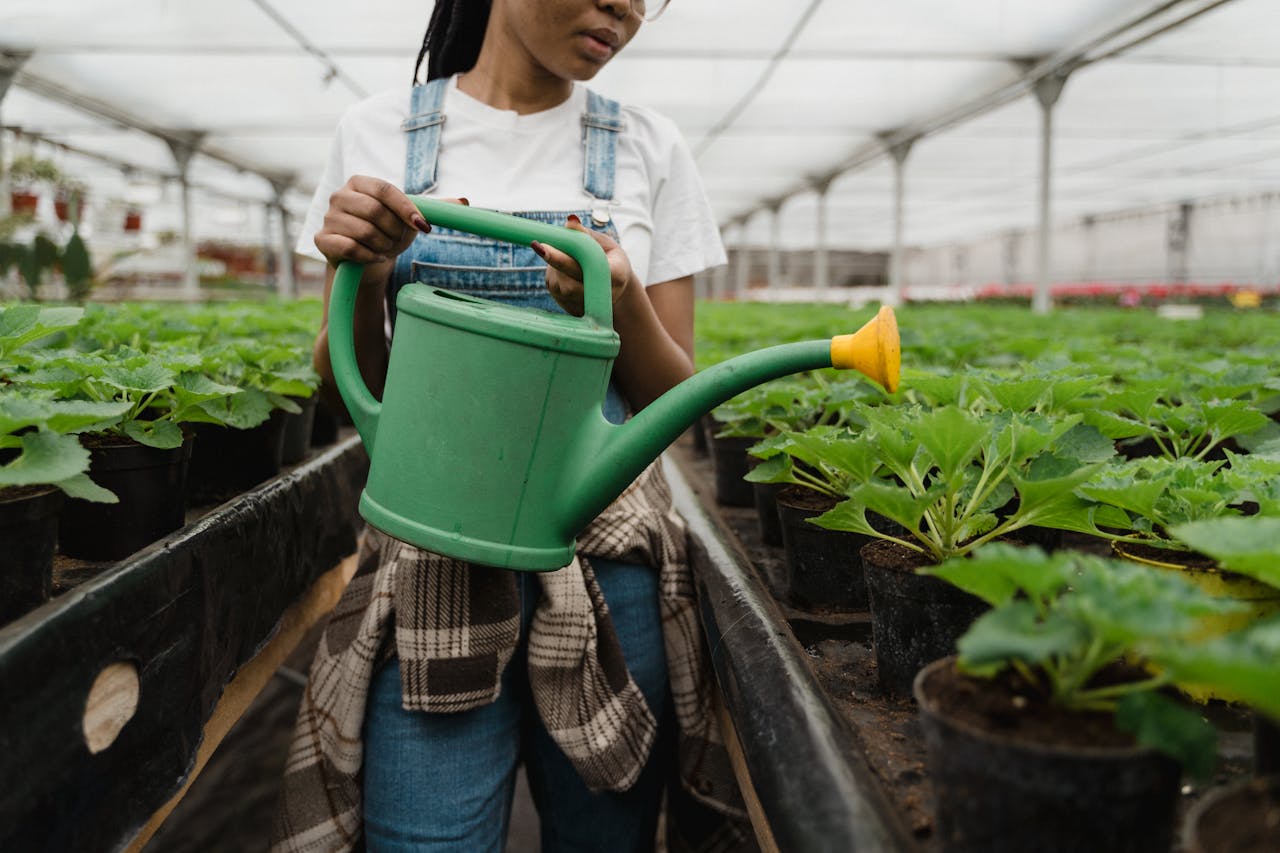
Are you dreaming of working under the Italian sun while earning a living in one of Europe’s most beautiful countries? Italy’s thriving agricultural sector offers incredible opportunities for both seasonal workers and those seeking long-term agricultural employment. With over 12.8 million hectares of agricultural land and a farming industry worth €56 billion annually, Italy presents a wealth of farm job opportunities that could transform your career and lifestyle.
Whether you’re looking for harvest work, vineyard positions, or permanent agricultural roles, this comprehensive guide will show you exactly how to find, apply for, and succeed in Italy’s dynamic farming sector.
Understanding Italy’s Agricultural Job Market
Italy’s agricultural industry is one of Europe’s most diverse and profitable, spanning from the wine regions of Tuscany to the olive groves of Puglia. The sector employs over 900,000 people directly, with seasonal employment opportunities expanding this number significantly during peak harvest periods.
Peak Employment Seasons
Spring (March-May): Vineyard maintenance, planting, and early vegetable harvesting create approximately 200,000 temporary positions across northern and central Italy.
Summer (June-August): Fruit harvesting, particularly in Sicily and Calabria, generates the highest demand for agricultural workers, with over 300,000 seasonal positions available.
Autumn (September-November): Wine grape harvest and olive picking seasons offer premium employment opportunities, especially in renowned regions like Chianti and Umbria.
Winter (December-February): Citrus harvesting in southern Italy and greenhouse work provide steady employment for those seeking year-round agricultural work.
Types of Farm Jobs Available in Italy
Seasonal Harvest Work
Seasonal agricultural employment represents the largest category of farm jobs in Italy. These positions typically offer competitive daily wages ranging from €35-60, depending on the crop and region.
Grape Harvesting (Vendemmia): Italy’s wine industry requires thousands of workers during the September-October harvest season. Premium wine regions like Barolo, Brunello di Montalcino, and Prosecco areas offer some of the best-paying harvest positions, with experienced workers earning up to €80 per day.
Olive Picking: The olive harvest from October through December provides excellent employment opportunities, particularly in Tuscany, Umbria, and Puglia. Many farms offer accommodation and meals, making this an attractive option for international workers.
Fruit Harvesting: From strawberries in Basilicata to apples in Trentino-Alto Adige, fruit harvesting jobs span the entire country and offer flexible working arrangements perfect for students and travelers.
Permanent Agricultural Positions
For those seeking long-term career opportunities, Italy’s agricultural sector offers numerous permanent positions with competitive salaries and benefits.
Farm Managers: Experienced agricultural professionals can find management positions paying €28,000-45,000 annually, often including housing and other benefits.
Specialized Technicians: Roles in irrigation, machinery operation, and crop specialist positions offer salaries ranging from €25,000-38,000 per year.
Organic Farm Workers: With Italy leading Europe in organic agriculture, specialized organic farming positions are increasingly available and well-compensated.
Real Success Story: From Tourist to Farm Owner
Marco, a 28-year-old from Germany, started as a seasonal grape picker in Tuscany three years ago. “I came for a two-week vacation and ended up staying for the entire harvest season,” he recalls. “The work was physically demanding but incredibly rewarding. The farm family treated me like their own, teaching me not just about grape harvesting but about Italian agricultural traditions.”
Marco’s dedication impressed his employers so much that they offered him a permanent position as assistant farm manager. Today, he manages a 50-hectare organic vineyard and is planning to purchase his own small farm in the region. “What started as temporary harvest work became my dream career. Italy’s agricultural community welcomed me with open arms, and I’ve never looked back.”
Visa and Work Requirements for International Workers
EU Citizens
Citizens of European Union countries enjoy unrestricted access to Italy’s job market, including agricultural employment. You’ll need:
- Valid passport or national ID
- European Health Insurance Card
- Tax identification number (Codice Fiscale)
Non-EU Citizens
International workers from outside the EU must obtain proper work authorization:
Seasonal Work Permits: Available for agricultural work periods up to 9 months, these permits are specifically designed for harvest and seasonal farming activities.
Long-term Work Visas: For permanent agricultural positions, employers must sponsor your work visa application, which typically takes 60-90 days to process.
Student Work Permits: Students from non-EU countries can work up to 20 hours per week in agricultural positions while maintaining their student status.
Finding Farm Jobs: Where to Look
Online Job Platforms
Lavoro.gov.it: Italy’s official job portal lists thousands of agricultural positions, with advanced filters for location, duration, and skill level.
Indeed Italia: Features over 5,000 farm job listings at any given time, with user reviews and salary information.
Agriejobs.com: Specialized platform exclusively for agricultural employment across Europe, with dedicated Italy sections.
Direct Farm Contact
Many of Italy’s best agricultural opportunities aren’t advertised online. Research farms in your target regions and contact them directly via email or phone. This approach often yields better results than online applications, as farm owners appreciate proactive candidates.
Agricultural Cooperatives
Italy’s agricultural cooperatives (cooperative agricole) are excellent sources for both seasonal and permanent employment. These organizations often handle staffing for multiple farms and can provide consistent work throughout the year.
Salary Expectations and Benefits
Agricultural wages in Italy vary significantly based on location, crop type, and worker experience:
Seasonal Work Rates
- Northern Italy: €40-65 per day
- Central Italy: €35-55 per day
- Southern Italy: €30-50 per day
Additional Benefits
Many farm employers provide valuable additional benefits:
- Accommodation: Free or subsidized housing on-farm
- Meals: Traditional Italian meals provided during work days
- Transportation: Shuttle services from nearby towns
- Training: Skill development in specialized agricultural techniques
Regional Opportunities Breakdown
Northern Italy (Lombardy, Veneto, Piedmont)
Known for premium wine production, rice cultivation, and dairy farming. Higher wages but increased living costs. Peak season: September-November for wine harvest.
Central Italy (Tuscany, Umbria, Lazio)
Famous for wine, olives, and organic farming. Excellent work-life balance with moderate wages and reasonable living costs. Year-round opportunities available.
Southern Italy (Sicily, Calabria, Puglia)
Citrus fruits, vegetables, and olive production dominate. Lower wages but significantly reduced living costs. Extended growing seasons provide longer employment periods.
Preparing for Your Italian Farm Job Experience
Essential Skills
While many farm jobs don’t require prior experience, certain skills increase your employment prospects and earning potential:
- Physical fitness: Agricultural work is physically demanding
- Basic Italian language: Even conversational Italian significantly improves job opportunities
- Machinery operation: Tractor and equipment experience commands premium wages
- Specialized knowledge: Organic farming, viticulture, or specific crop expertise
What to Pack
- Sturdy work clothes: Durable pants, long-sleeve shirts, and work boots
- Sun protection: Hats, sunscreen, and sunglasses are essential
- Work gloves: Multiple pairs for different tasks
- Basic tools: Small pruning shears and a sharp knife for harvest work
Frequently Asked Questions
Q: Do I need to speak Italian to work on Italian farms? A: While Italian language skills significantly improve your opportunities and wages, many farms in tourist regions employ English-speaking supervisors. However, learning basic Italian demonstrates commitment and respect for local culture, often leading to better positions and relationships with employers.
Q: What’s the best time to start looking for farm jobs in Italy? A: Begin your job search 2-3 months before your intended start date. For harvest seasons, applications should be submitted by June for autumn work and January for spring/summer positions. Early applications often secure the best positions and accommodations.
Q: Can farm work in Italy lead to permanent residency? A: Yes, consistent agricultural employment can contribute toward residency requirements. Non-EU workers who maintain legal employment status for five consecutive years may be eligible for long-term residence permits. Consult with immigration attorneys for specific guidance.
Q: Are there age restrictions for agricultural work in Italy? A: Most farm positions accept workers aged 18-65. Some specialized roles may have specific age requirements, but Italy’s agricultural sector generally welcomes workers of all adult ages, particularly valuing experience and reliability over age.
Q: How physically demanding is farm work in Italy? A: Physical demands vary by job type and season. Harvest work typically involves 8-10 hours of outdoor labor, including lifting, bending, and walking on uneven terrain. However, many workers find the physical activity rewarding and report improved fitness levels.
Living Your Italian Agricultural Dream
As we wrap up this comprehensive guide, let’s acknowledge something important: taking the leap into agricultural work in a foreign country isn’t just about employment—it’s about embracing a completely different way of life. You’re not just considering a job; you’re contemplating mornings that start with espresso and end with sunsets over rolling vineyards, workdays filled with the satisfaction of honest labor, and evenings spent sharing stories with colleagues who’ve become like family.
Sure, the work can be physically challenging, and yes, there will be days when your back aches and your hands are stained with grape juice or soil. But there’s something profoundly fulfilling about working the land in a country where agriculture isn’t just industry—it’s art, tradition, and passion rolled into one.
Many who’ve taken this path describe it as life-changing. You’ll develop skills you never knew you had, form friendships that transcend language barriers, and gain a deep appreciation for where your food actually comes from. You’ll learn that “lavoro” (work) in Italy isn’t just about earning money—it’s about contributing to something bigger than yourself, something that’s been nurturing communities for generations.
Whether you’re seeking a short-term adventure or a complete career change, Italy’s agricultural sector offers more than just employment—it offers transformation. Every grape you harvest, every olive you pick, connects you to centuries of tradition and to the very essence of what makes Italy so special.
So as you consider this opportunity, remember: you’re not just applying for a job. You’re opening the door to experiences that will enrich your life in ways you can’t yet imagine. The Italian countryside is waiting, and your agricultural adventure begins with that first brave step forward.