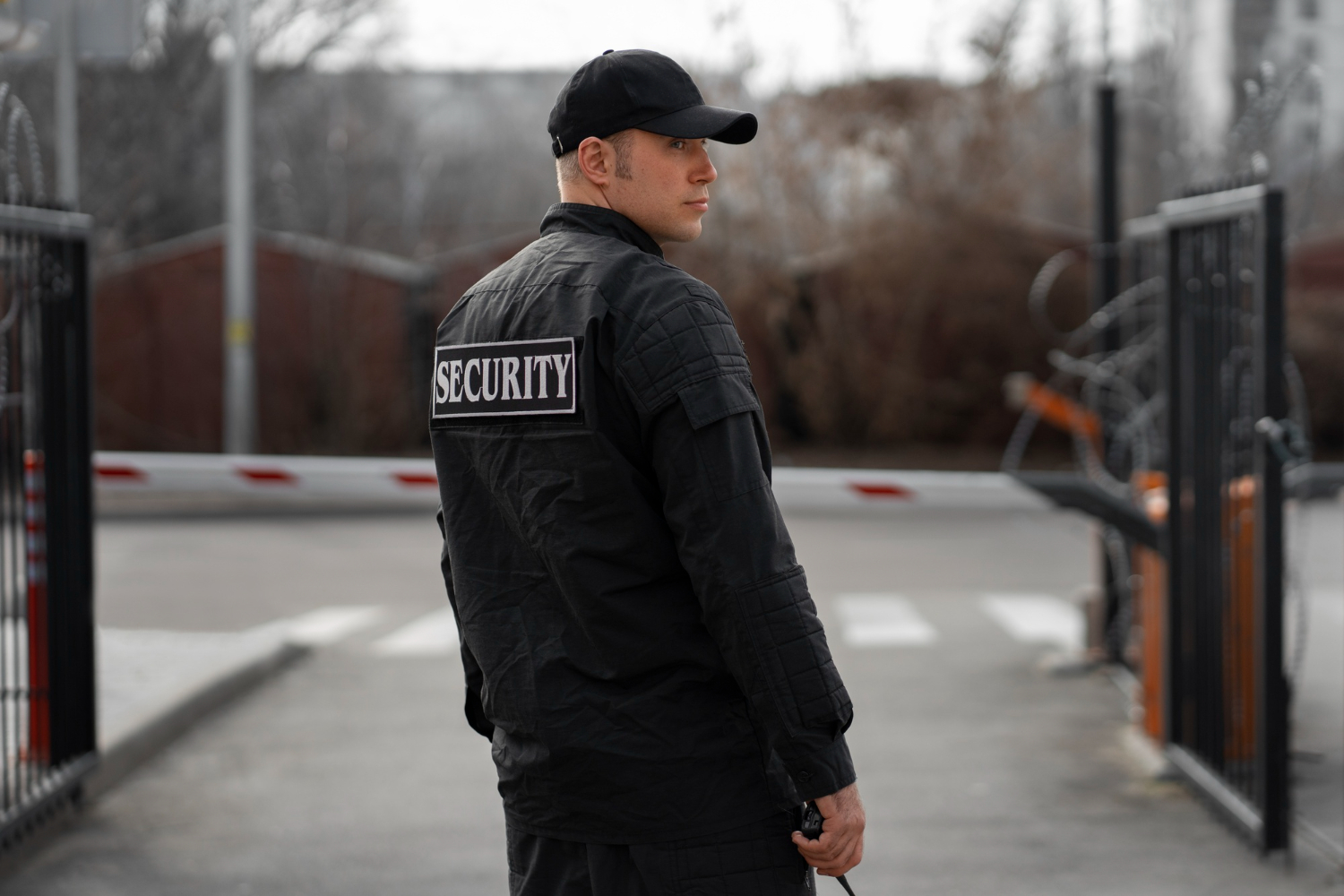
The security guard industry has evolved far beyond the stereotypical night watchman image, transforming into a sophisticated field of professional guard services that offers stable careers, competitive compensation, and genuine opportunities for advancement. With security officer jobs experiencing unprecedented growth and demand for qualified personnel reaching new heights, there’s never been a better time to explore what this essential industry can offer your career future.
Whether you’re seeking your first professional role, considering a career change, or looking for recession-proof employment with real growth potential, security officer positions provide a foundation for building a meaningful career while serving your community’s safety and protection needs.
The Modern Security Services Landscape
Today’s professional guard services industry encompasses far more than traditional security roles, expanding into specialized areas that require advanced training, technology proficiency, and customer service excellence. The sector employs over 150,000 security professionals across Canada, with continuous growth driven by increased security awareness and expanding commercial development.
Industry Transformation Drivers
The security industry’s evolution reflects broader changes in workplace safety, technology integration, and customer expectations:
Technology Integration: Modern security systems combine traditional observation skills with advanced surveillance technology, access control systems, and digital reporting platforms.
Customer Service Focus: Security officers now serve dual roles as safety professionals and customer service representatives, requiring strong interpersonal skills alongside security expertise.
Regulatory Compliance: Increased emphasis on professional standards, licensing requirements, and ongoing training ensures higher service quality and career stability.
Specialized Services: Growth in specialized security areas including cyber security support, event security, healthcare facility protection, and transportation security creates diverse career paths.
Types of Security Officer Positions
Corporate Security Officer
Average Salary: $40,000 – $55,000 annually Starting Wage: $18-$24 per hour
Corporate security officers protect business facilities, employees, and assets while maintaining professional environments that support business operations.
Key Responsibilities:
- Access control and visitor management
- Surveillance system monitoring
- Incident response and documentation
- Customer service and building assistance
- Emergency procedure coordination
Retail Loss Prevention Specialist
Average Salary: $35,000 – $48,000 annually Starting Wage: $16-$22 per hour
These specialists focus on preventing theft and maintaining safe shopping environments while providing excellent customer service.
Daily Activities:
- Undercover and uniformed theft prevention
- Surveillance equipment operation
- Incident investigation and reporting
- Collaboration with law enforcement
- Customer assistance and conflict resolution
Healthcare Security Officer
Average Salary: $42,000 – $58,000 annually Starting Wage: $19-$26 per hour
Healthcare security professionals work in hospitals, clinics, and medical facilities, requiring specialized training in medical environment protocols and de-escalation techniques.
Event Security Coordinator
Average Salary: $38,000 – $52,000 annually Hourly Rate: $20-$35 per event
Event security offers flexible scheduling and diverse experiences, from concerts and sporting events to corporate functions and private celebrations.
Transportation Security Officer
Average Salary: $45,000 – $62,000 annually Starting Wage: $20-$28 per hour
Airport, transit system, and logistics facility security roles often provide federal employment benefits and specialized training opportunities.
Licensing and Certification Requirements
Basic Security Guard License
All Canadian provinces require security officers to obtain proper licensing before beginning work. While specific requirements vary by province, common elements include:
Ontario Security Guard License:
- 40-hour basic security training program
- Criminal background check
- First aid certification
- Written examination
- Annual license renewal
British Columbia Security Worker License:
- Pre-licensing training through approved providers
- Skills and knowledge verification
- Criminal record check
- Medical fitness verification
- Ongoing education requirements
Specialized Endorsements
Advanced certifications can significantly increase earning potential and job opportunities:
Use of Force Certification: Required for positions involving potential physical intervention Private Investigation License: Opens opportunities in corporate investigation and surveillance Crowd Control Certification: Essential for event security and large venue positions Emergency Response Training: Valuable for healthcare and institutional security roles
Real Success Story: From Entry-Level to Security Management
Jennifer Walsh started her security career five years ago as a part-time retail security officer while completing her criminal justice degree. Initially earning $17 per hour, she viewed security work as temporary income rather than a career path.
“I was surprised by how much I enjoyed the variety and responsibility,” Jennifer reflects. “Every day brought different challenges, from helping lost customers to preventing theft and managing emergencies. It wasn’t boring at all.”
Jennifer’s supervisors noticed her attention to detail, excellent communication skills, and natural leadership abilities. Within eight months, she was promoted to shift supervisor, earning $21 per hour with additional responsibilities for training new officers and coordinating daily operations.
Today, Jennifer manages security operations for a major shopping center, overseeing a team of 12 security officers and earning $65,000 annually with comprehensive benefits. She’s completed additional certifications in emergency management and loss prevention, positioning herself for further advancement.
“Security gave me a career I never expected,” Jennifer says. “It’s challenging, rewarding, and there’s always room to grow. I’m making a real difference in people’s safety while building professional skills that transfer anywhere.”
Career Advancement Pathways
Traditional Progression Routes
Security Officer → Senior Officer → Shift Supervisor → Security Manager → Regional Manager
Most security companies promote from within, recognizing that experienced officers understand operational challenges and client needs better than external hires.
Specialized Career Tracks
Training Coordinator: Develop and deliver training programs for new security personnel while maintaining steady schedules and competitive compensation.
Account Manager: Manage client relationships and service delivery, combining security expertise with business development skills.
Investigation Specialist: Focus on incident investigation, background checks, and specialized security assessments.
Entrepreneurial Opportunities
Security Consulting: Provide security assessments and recommendations to businesses and organizations.
Private Security Company: Start your own security service company, leveraging industry experience and professional networks.
Industry Salary Trends and Benefits
Regional Salary Variations
Greater Toronto Area:
- Entry-level: $18-$22 per hour
- Experienced officers: $22-$30 per hour
- Specialized roles: $25-$35 per hour
Vancouver Metro:
- Entry-level: $17-$21 per hour
- Experienced officers: $21-$28 per hour
- Specialized positions: $24-$32 per hour
Calgary and Edmonton:
- Entry-level: $16-$20 per hour
- Experienced officers: $20-$26 per hour
- Industrial security: $22-$30 per hour
Comprehensive Benefits Packages
Modern security companies compete for quality personnel by offering excellent benefits:
- Extended health and dental coverage
- Retirement savings plans with employer matching
- Paid vacation and sick leave
- Uniform allowances and equipment provision
- Professional development and training support
- Flexible scheduling options
- Performance bonuses and safety incentives
Technology’s Impact on Security Careers
Advanced Surveillance Systems
Modern security officers work with sophisticated technology including:
- High-definition digital cameras with facial recognition
- Motion detection and analytics systems
- Mobile reporting platforms and incident management software
- Access control systems and visitor management platforms
Communication and Coordination Tools
Professional security operations rely on advanced communication systems:
- Digital radio networks with GPS tracking
- Mobile applications for real-time reporting
- Integrated alarm systems with automated response protocols
- Data analytics for pattern recognition and threat assessment
Skills Development Opportunities
Technology integration creates opportunities for security professionals to develop valuable technical skills that enhance career prospects and earning potential.
Professional Development and Training
Ongoing Education Requirements
The security industry emphasizes continuous learning through:
- Annual recertification programs
- Specialized skill development workshops
- Emergency response training updates
- Customer service excellence programs
- Technology proficiency certification
Career Enhancement Opportunities
Leadership Development: Many companies offer supervisory and management training programs for advancement-minded officers.
Cross-Training: Exposure to different security environments and specializations broadens skill sets and career options.
Industry Conferences: Professional development events provide networking opportunities and industry knowledge updates.
Industry Challenges and Considerations
Work Environment Factors
Security work involves varied schedules, including evenings, weekends, and holidays. However, this flexibility often appeals to students, parents, and those seeking non-traditional work arrangements.
Physical and Mental Demands
While security work isn’t typically physically demanding, officers must maintain alertness during long shifts and handle stressful situations professionally.
Success Strategies:
- Maintain physical fitness for job performance and personal wellbeing
- Develop strong communication skills for conflict resolution
- Practice stress management techniques for challenging situations
- Build professional networks within the industry
Frequently Asked Questions
Q: Do I need previous experience to become a security officer? A: No, most entry-level positions provide comprehensive training. Employers value reliability, professionalism, and strong communication skills over previous security experience.
Q: What’s the typical work schedule for security officers? A: Security operates 24/7, offering day, evening, and overnight shifts. Many officers appreciate flexible scheduling that accommodates other commitments like education or family responsibilities.
Q: How quickly can I advance in a security career? A: Motivated individuals often see promotions within 6-18 months. Career advancement depends on performance, additional certifications, and leadership development.
Q: What’s the job security like in the security industry? A: Excellent. Security services are essential regardless of economic conditions, and the industry continues growing as businesses prioritize safety and asset protection.
Q: Can security work lead to other career opportunities? A: Absolutely. Security experience provides excellent preparation for law enforcement, private investigation, emergency management, and business security consulting careers.
Building Your Security Career Foundation
The professional guard services industry offers something truly valuable in today’s uncertain job market – stability, growth potential, and the satisfaction of protecting others while building your own professional future. Whether you’re drawn to the technology aspects, the people interaction, or the variety that each day brings, security work provides a solid foundation for career development.
This isn’t just about standing guard anymore. Today’s security professionals are customer service representatives, emergency responders, technology operators, and community safety advocates all rolled into one. You’ll develop skills that transfer across industries while building a career that genuinely matters to the communities you serve.
The security industry needs dedicated professionals who understand that protection isn’t just about preventing problems – it’s about creating environments where people feel safe to work, shop, learn, and live. Your role as a security officer contributes to the fabric of community safety that we all depend on.
Yes, the work requires responsibility and vigilance. But for those ready to embrace the challenge, it offers something increasingly rare – a career where your presence makes a tangible difference every single day, where advancement opportunities are real, and where the skills you develop serve you throughout your professional life.
The security industry is waiting for professionals who bring dedication, integrity, and a commitment to service excellence. Your journey toward a rewarding security career starts with recognizing that protection work isn’t just a job – it’s a profession that builds safer communities while building stronger careers for those who embrace its opportunities.