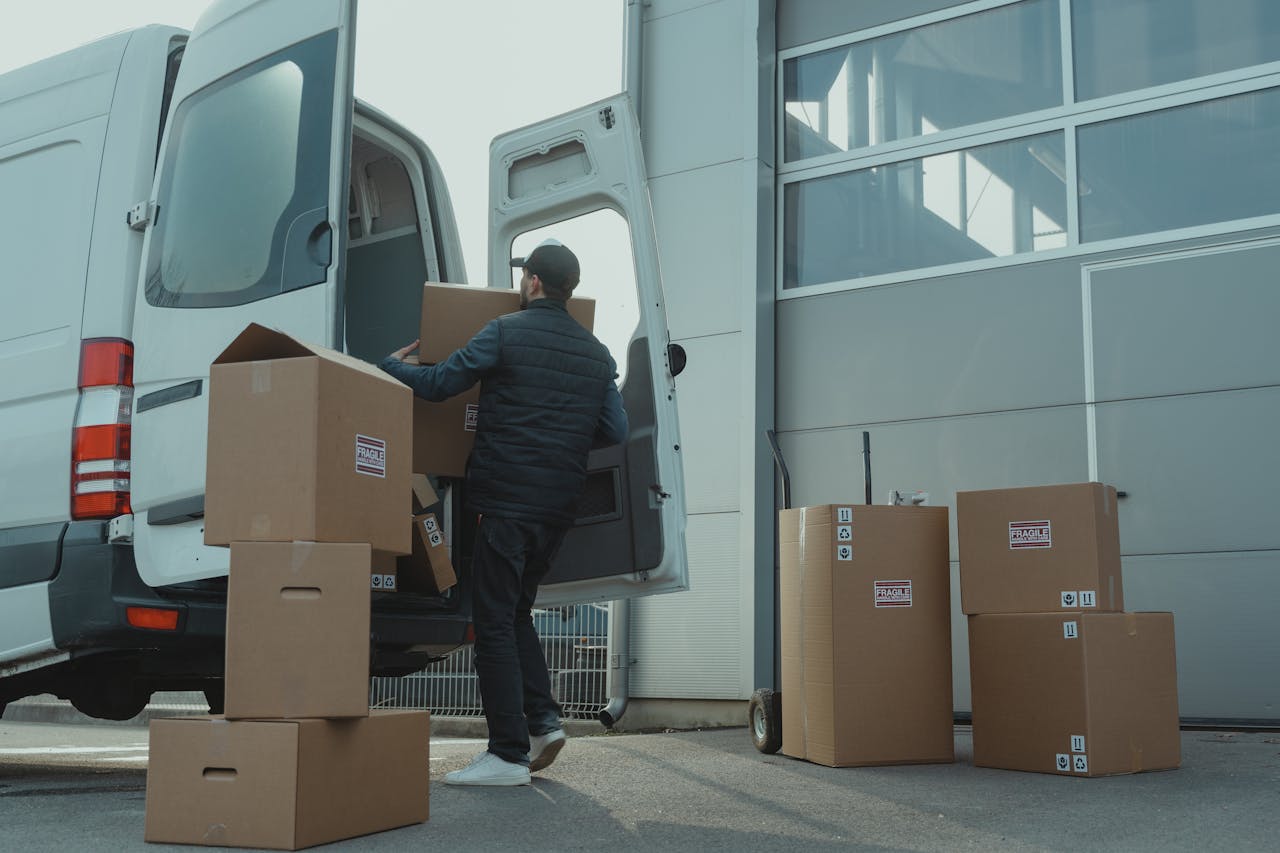
The delivery driver job market has exploded into one of Canada’s fastest-growing employment sectors, offering flexible work opportunities, competitive wages, and the freedom to be your own boss while serving your community’s essential needs. With delivery driver jobs spanning everything from food delivery services to package logistics, there’s never been a better time to explore how this booming industry can fit into your career plans or provide the income flexibility you’ve been seeking.
Whether you’re looking for full-time career opportunities, part-time income to supplement other work, or a flexible gig that fits around your schedule, the delivery employment landscape offers options that traditional jobs simply can’t match. Let’s dive into what makes this industry so attractive and how you can capitalize on the current market trends.
The Explosive Growth of Delivery Services
The delivery industry has fundamentally transformed over the past five years, evolving from a convenience service to an essential part of Canadian commerce and daily life. This transformation has created unprecedented opportunities for delivery driver employment across multiple sectors.
Market Expansion Drivers
E-commerce Boom: Online shopping has become the norm rather than the exception, with Canadian e-commerce sales growing by over 75% since 2020, creating massive demand for package delivery services.
Food Delivery Revolution: Services like DoorDash, Uber Eats, Skip the Dishes, and Grubhub have made restaurant delivery a $4 billion industry in Canada, requiring thousands of drivers to meet consumer demand.
Last-Mile Delivery Demand: The final step of getting packages from distribution centers to customers’ doors represents the fastest-growing segment of the logistics industry.
Convenience Economy: Busy lifestyles and changing consumer preferences have made on-demand delivery services an integral part of modern life across all demographics.
Types of Delivery Driver Opportunities
Food Delivery Driver
Average Earnings: $15-$25 per hour including tips Peak Earnings: $20-$35 per hour during busy periods
Food delivery represents the most accessible entry point into delivery driving, with minimal barriers to entry and immediate earning potential.
Popular Platforms:
- DoorDash Canada
- Uber Eats
- Skip the Dishes
- Grubhub (select markets)
- Independent restaurant delivery
Key Benefits:
- Flexible scheduling with no minimum hours
- Daily pay options through instant cash-out features
- Tips significantly boost hourly earnings
- Work in your own neighborhood or explore new areas
Package Delivery Driver
Average Salary: $40,000 – $65,000 annually Hourly Rate: $18-$28 per hour
Package delivery offers more structured employment with established companies, providing steady income and traditional employment benefits.
Major Employers:
- Amazon Delivery Service Partners
- Canada Post
- FedEx Ground and Express
- UPS Canada
- Purolator
- Local courier services
Employment Benefits:
- Health and dental coverage
- Retirement savings plans
- Paid vacation and sick leave
- Career advancement opportunities
- Vehicle and fuel allowances
Grocery and Retail Delivery
Average Earnings: $16-$22 per hour plus tips Peak Earnings: $25-$30 per hour
Grocery delivery has become essential for many Canadian families, creating steady demand for drivers who can handle larger orders and provide excellent customer service.
Leading Services:
- Instacart Canada
- Walmart Grocery Delivery
- Metro Express
- Loblaws PC Express
- Independent grocery chains
Specialty Delivery Services
Average Earnings: $20-$35 per hour Premium Services: $25-$45 per hour
Specialized delivery services often command premium rates due to specific requirements or higher-value deliveries.
Specialty Areas:
- Medical and pharmaceutical delivery
- Legal document courier services
- Same-day business delivery
- Alcohol and cannabis delivery (where licensed)
- Furniture and appliance delivery
Real Success Story: From Side Hustle to Full-Time Career
Marcus Thompson started food delivery as a weekend side hustle in Calgary while working full-time as a retail manager. Initially earning $300-$400 per weekend, he was simply looking to pay off credit card debt and save for a vacation.
“I enjoyed the flexibility and the fact that I could see immediate results from my effort,” Marcus explains. “Busy Friday nights could easily bring in $150-$200, and I was getting exercise while exploring parts of the city I’d never seen.”
As Marcus became more strategic about peak hours, efficient routes, and customer service excellence, his earnings grew substantially. He began working lunch rushes during his retail job’s slow periods, adding another $400-$500 weekly to his income.
When his retail company downsized, Marcus made the bold decision to transition to full-time delivery driving. He diversified across multiple platforms, worked strategic shifts, and averaged $1,200-$1,500 per week. Within six months, he was earning more than his previous management position while enjoying significantly better work-life balance.
Today, Marcus operates as a multi-platform delivery driver, earning over $65,000 annually while maintaining the flexibility to take vacations, attend family events, and pursue personal interests without requesting time off from a traditional employer.
“Delivery driving gave me financial freedom and work-life balance I never had in traditional employment,” Marcus reflects. “It’s not just a job – it’s a lifestyle that lets me control my income and schedule.”
Regional Market Analysis and Opportunities
Greater Toronto Area (GTA)
The GTA represents Canada’s largest delivery market, with high demand density creating excellent earning opportunities despite higher living costs.
Market Characteristics:
- High order volumes throughout most dayparts
- Premium earnings during peak periods
- Diverse delivery opportunities from downtown core to suburbs
- Strong public transit integration for multi-modal delivery
Average Hourly Earnings:
- Food delivery: $18-$28 per hour including tips
- Package delivery: $20-$30 per hour
- Specialty services: $25-$40 per hour
Vancouver and Lower Mainland
British Columbia’s delivery market combines urban density with scenic routes, offering unique advantages for drivers who enjoy variety in their work environment.
Unique Opportunities:
- Higher base pay rates to offset living costs
- Year-round cycling delivery options
- Tourist and hospitality delivery premiums
- Cross-border delivery opportunities
Montreal and Quebec
Quebec’s bilingual market creates additional opportunities for drivers comfortable working in both English and French, often commanding premium rates.
Calgary and Edmonton
Alberta’s energy sector creates strong demand for business delivery services, while established suburbs provide consistent residential delivery opportunities.
Technology and Tools for Success
Essential Driver Apps
Multi-Platform Management: Successful drivers often work multiple platforms simultaneously, maximizing order availability and earnings potential.
Navigation and Route Optimization: Apps like Waze, Google Maps, and specialized delivery routing software help minimize drive time and fuel costs.
Expense Tracking: Platforms like MileIQ and Stride help drivers track business expenses for tax deduction purposes.
Vehicle and Equipment Considerations
Fuel-Efficient Vehicles: Compact cars, hybrids, and electric vehicles significantly impact profitability through reduced operating costs.
Insulated Bags and Storage: Professional delivery equipment improves food quality and customer satisfaction, leading to better tips and ratings.
Phone Mounts and Chargers: Reliable technology setup ensures safe, efficient delivery operations throughout long shifts.
Income Optimization Strategies
Peak Hour Maximization
Understanding demand patterns allows drivers to maximize earnings by working during highest-demand periods:
Food Delivery Peak Times:
- Lunch rush: 11:30 AM – 1:30 PM
- Dinner rush: 5:00 PM – 8:30 PM
- Late-night: 9:00 PM – 12:00 AM weekends
Package Delivery Optimization:
- Early morning residential deliveries
- Business district deliveries during office hours
- Amazon Prime day and holiday season bonuses
Multi-Platform Strategy
Successful drivers often maintain active accounts with multiple services, switching between platforms based on demand, promotions, and surge pricing.
Geographic Knowledge Development
Learning optimal routes, parking locations, and building access procedures increases delivery efficiency and customer satisfaction.
Challenges and Practical Considerations
Vehicle Expenses and Maintenance
Delivery driving involves significant vehicle use, requiring careful expense management:
Operating Costs:
- Fuel expenses (typically 15-25% of gross earnings)
- Increased maintenance requirements
- Accelerated tire and brake wear
- Insurance considerations for commercial use
Weather and Seasonal Variations
Canadian weather presents unique challenges, but also opportunities for premium earnings during adverse conditions when demand often exceeds driver availability.
Income Tax Implications
As independent contractors, delivery drivers must manage their own tax obligations, including quarterly payment planning and expense deduction optimization.
Benefits Beyond Financial Compensation
Flexibility and Work-Life Balance
Delivery driving offers unparalleled schedule flexibility, allowing drivers to:
- Work around family commitments
- Pursue education or other interests
- Take time off without requesting permission
- Adjust workload based on personal financial needs
Physical Activity and Exploration
Unlike traditional sedentary jobs, delivery driving provides natural exercise opportunities and chances to explore different neighborhoods and communities.
Entrepreneurial Skills Development
Managing delivery operations develops valuable business skills including customer service, route optimization, financial planning, and time management.
Future Industry Trends
Electric Vehicle Integration
Growing environmental consciousness and government incentives are accelerating electric vehicle adoption in delivery fleets, potentially reducing operating costs for drivers.
Autonomous Delivery Considerations
While autonomous vehicle technology continues developing, industry experts predict human drivers will remain essential for complex deliveries, customer interaction, and problem-solving for the foreseeable future.
Service Expansion
New delivery categories continue emerging, from prescription medications to retail returns, creating additional earning opportunities for experienced drivers.
Frequently Asked Questions
Q: How much can I realistically earn as a delivery driver? A: Earnings vary significantly based on location, hours worked, and strategy. Part-time drivers typically earn $300-$800 weekly, while full-time strategic drivers can earn $800-$1,500 weekly or more during peak periods.
Q: Do I need special insurance to drive for delivery services? A: Most platforms provide limited coverage during active deliveries, but drivers should verify their personal auto insurance covers commercial use and consider additional coverage gaps.
Q: What vehicle requirements do delivery platforms have? A: Requirements vary by platform but generally include vehicles less than 15-20 years old, valid registration, current insurance, and clean driving records. Some food delivery services accept bicycles and scooters.
Q: How do taxes work for delivery drivers? A: Delivery drivers are typically independent contractors responsible for their own taxes. This includes tracking business expenses, making quarterly payments, and potentially paying self-employment taxes.
Q: Can delivery driving become a full-time career? A: Absolutely. Many drivers earn full-time incomes through strategic platform management, peak hour optimization, and excellent customer service. Success requires treating it as a business rather than casual work.
Taking Control of Your Earning Potential
The delivery driver employment landscape offers something increasingly rare in today’s job market: the opportunity to directly control your income through your own effort and strategy. Unlike traditional employment where raises and promotions depend on others’ decisions, delivery driving rewards initiative, customer service excellence, and smart work habits with immediate financial results.
This isn’t just about driving around town – it’s about building a flexible career that adapts to your life rather than demanding your life adapt to it. Whether you’re a student balancing classes, a parent working around family schedules, someone between traditional jobs, or simply seeking the freedom to control your own earning potential, delivery driving provides a legitimate path to financial stability and professional satisfaction.
The industry needs reliable, service-oriented drivers who understand that each delivery represents someone’s meal, essential supplies, or important purchase. Your role connects businesses with customers, enables convenience that improves people’s lives, and keeps commerce flowing in your community.
Yes, success requires dedication, smart planning, and treating your delivery work as the business it truly is. But for those ready to embrace the opportunity, it offers something traditional employment often can’t: the chance to earn what you’re worth while maintaining the flexibility to live life on your own terms.
The roads are open, the demand is real, and your earning potential is waiting. Why not take the first step and discover what delivery driving can offer your future?