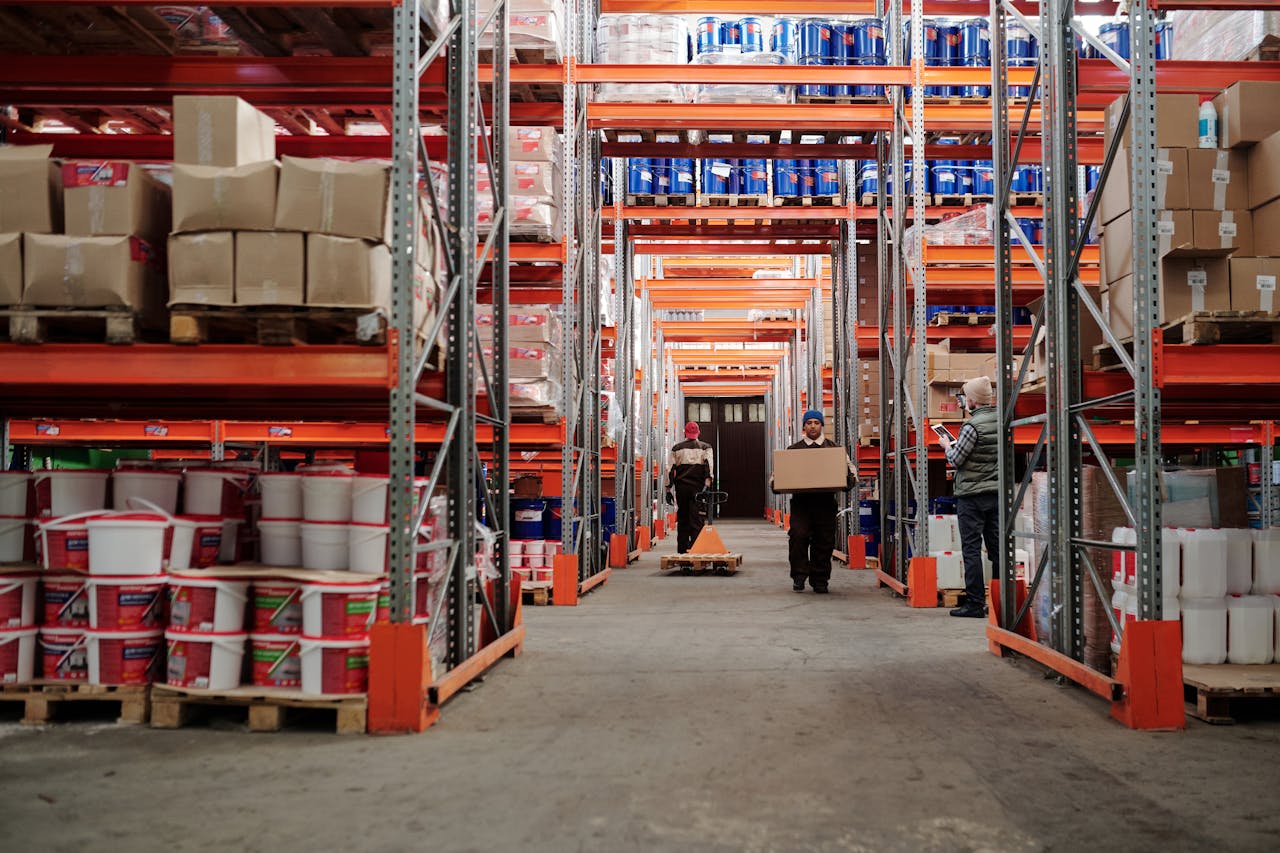
The logistics industry is experiencing unprecedented growth, creating thousands of warehouse worker jobs across the country every month. If you’re searching for stable employment with competitive wages, excellent benefits, and real opportunities for career advancement, warehouse positions might be exactly what you’ve been looking for. These industrial employment opportunities offer something many job seekers crave: the chance to build a solid career without requiring a college degree, while working in an essential industry that keeps America moving.
Whether you’re just starting your career, looking for a career change, or seeking better job security, warehouse work provides a pathway to financial stability in today’s economy. Let’s explore everything you need to know about landing and succeeding in these high-demand positions.
The Current State of Warehouse Employment
Booming Industry Growth
The warehouse and logistics sector has transformed dramatically over the past decade. E-commerce growth, supply chain modernization, and increased consumer demand have created a perfect storm of opportunity for job seekers. Major companies like Amazon, FedEx, UPS, and countless regional distributors are constantly hiring, offering warehouse jobs with starting wages that often exceed $15-18 per hour, with many positions reaching $20+ per hour with experience.
This isn’t just temporary growth – it’s a fundamental shift in how goods move through our economy. The Bureau of Labor Statistics projects continued expansion in logistics employment through 2032, making warehouse work one of the most stable career paths available today.
Geographic Opportunities
Warehouse facilities are strategically located near major transportation hubs, which means opportunities exist in both urban and suburban areas nationwide. From distribution centers in Ohio and Texas to fulfillment centers in California and Florida, these jobs are accessible regardless of your location.
Types of Warehouse Worker Positions
Entry-Level Warehouse Associate Roles
Package Handler/Order Picker: These positions involve selecting, packing, and preparing items for shipment. You’ll work with handheld scanners, learn inventory management systems, and develop organizational skills that transfer to many other careers. Starting salaries typically range from $15-17 per hour.
Shipping and Receiving Clerk: Focus on processing incoming and outgoing shipments, maintaining accurate records, and coordinating with transportation teams. These roles often offer $16-19 per hour and provide excellent experience with logistics software.
Inventory Control Specialist: Monitor stock levels, conduct cycle counts, and ensure accuracy in warehouse management systems. This analytical role often starts around $17-20 per hour and offers clear advancement opportunities.
Specialized Equipment Operator Jobs
Forklift Operator: One of the highest-paying entry-level warehouse positions, forklift operators can earn $18-25 per hour. Most employers provide free certification training, making this an excellent way to quickly increase your earning potential.
Reach Truck Operator: Similar to forklift operation but requiring additional training for high-reach equipment. These specialized roles often command premium wages of $20-28 per hour.
Crane Operator: For larger industrial facilities, crane operators represent the top tier of warehouse equipment positions, with salaries often exceeding $25-35 per hour.
Leadership and Administrative Positions
Team Lead/Supervisor: Natural progression for experienced warehouse workers, offering $22-30 per hour plus benefits and the opportunity to develop management skills.
Warehouse Coordinator: Combines logistics planning with team management, typically earning $45,000-60,000 annually with excellent advancement potential.
Real Success Story: From Temp to Management
Take Sarah, a single mother from Ohio who started as a temporary package handler at a major distribution center three years ago. Despite having no prior warehouse experience, she embraced the opportunity to learn new systems and consistently showed up with a positive attitude. Within six months, she was hired permanently. A year later, she earned her forklift certification and received a $3 per hour raise. Today, Sarah manages her own team of 15 associates and earns $55,000 annually – more than doubling her income in just three years.
Sarah’s story isn’t unique. Warehouse work rewards dedication, reliability, and willingness to learn, making it an ideal career path for people who prefer hands-on work over traditional office environments.
Essential Skills and Requirements
Physical Requirements
Most warehouse positions require moderate physical fitness. You’ll be standing for extended periods, lifting packages up to 50 pounds, and moving throughout large facilities. However, modern warehouses increasingly use ergonomic equipment and automation to reduce physical strain. Many employers offer on-site fitness programs and injury prevention training.
Technical Skills
Today’s warehouse worker jobs require basic computer literacy and the ability to learn inventory management software. Don’t worry if you’re not tech-savvy – most employers provide comprehensive training on their systems. Popular platforms include SAP, Manhattan Associates, and proprietary warehouse management systems.
Soft Skills That Matter
Reliability: Showing up consistently and on time is highly valued in logistics operations. Attention to Detail: Accuracy in order fulfillment directly impacts customer satisfaction. Teamwork: Warehouse operations depend on smooth collaboration between departments. Safety Consciousness: Following protocols protects both you and your colleagues.
Compensation and Benefits Packages
Competitive Wages
Entry-level warehouse positions typically start between $15-18 per hour, with experienced workers earning $20-25+ per hour. Specialized roles like equipment operators often command higher wages, and shift differentials can add $1-3 per hour for evening, overnight, or weekend work.
Comprehensive Benefits
Major logistics employers offer impressive benefits packages including:
- Health, dental, and vision insurance
- 401(k) retirement plans with company matching
- Paid time off and holiday pay
- Tuition reimbursement programs
- Career advancement training
- Employee discounts and stock purchase plans
Performance Incentives
Many warehouses offer productivity bonuses, safety awards, and recognition programs that can significantly increase your total compensation. Some facilities provide quarterly bonuses based on team performance metrics.
Career Advancement Opportunities
Clear Promotion Paths
The logistics industry offers well-defined career progression. Starting as a warehouse associate, you can advance to team lead, supervisor, coordinator, and eventually management roles. Many distribution center managers started on the warehouse floor, proving that advancement based on merit is not only possible but common.
Skills Development Programs
Leading employers invest heavily in employee development through:
- Equipment certification training (forklift, reach truck, etc.)
- Leadership development programs
- Tuition assistance for logistics-related degrees
- Cross-training opportunities in different departments
- Safety and compliance certifications
Industry Transferability
Skills developed in warehouse work transfer easily between companies and industries. Your experience with inventory management, logistics software, and supply chain operations makes you valuable to manufacturers, retailers, third-party logistics providers, and even government agencies.
Finding and Landing Warehouse Jobs
Where to Look
Online Job Boards: Indeed, LinkedIn, and ZipRecruiter frequently list warehouse openings Company Websites: Apply directly through major employers’ career pages Staffing Agencies: Many warehouses use temporary staffing to find permanent employees Career Fairs: Logistics companies actively recruit at job fairs and community events Walk-In Applications: Many facilities accept walk-in applications and conduct same-day interviews
Application Tips
Create a resume that highlights reliability, physical capabilities, and any relevant experience (retail, manufacturing, customer service). Even if you lack direct warehouse experience, emphasize transferable skills like attention to detail, teamwork, and willingness to learn.
Interview Preparation
Warehouse interviews typically focus on availability, work ethic, and safety awareness. Be prepared to discuss your ability to work various shifts, lift moderate weights, and follow safety protocols. Dress professionally but practically – avoid suits in favor of clean, appropriate clothing that shows you understand the work environment.
Frequently Asked Questions
Q: Do I need experience to get hired for warehouse worker jobs? A: No, most entry-level positions require no prior experience. Employers provide comprehensive training and value attitude and reliability over previous experience. Many successful warehouse workers started with zero logistics background.
Q: What are typical working hours for warehouse positions? A: Warehouse operations often run 24/7, offering flexibility in scheduling. Common shifts include day (6 AM-2 PM), evening (2 PM-10 PM), and overnight (10 PM-6 AM). Many facilities offer 3-day or 4-day work weeks with 10-12 hour shifts.
Q: How quickly can I get promoted in warehouse jobs? A: Promotion timelines vary by company and individual performance, but many workers advance within 6-18 months. High performers can move from associate to team lead in under a year, with continued advancement opportunities based on skills and leadership development.
Q: Are warehouse jobs safe? A: Modern warehouses prioritize safety through comprehensive training, protective equipment, and strict protocols. Injury rates have decreased significantly due to improved safety standards, ergonomic equipment, and automation that handles the most physically demanding tasks.
Q: What’s the long-term career potential in logistics? A: The logistics industry offers excellent long-term prospects. With e-commerce continuing to grow and supply chains becoming increasingly complex, skilled logistics professionals are in high demand. Many warehouse workers eventually move into transportation, supply chain management, or start their own logistics businesses.
Making Your Decision: Is Warehouse Work Right for You?
As we wrap up this comprehensive look at warehouse employment opportunities, it’s important to recognize that choosing a career path is deeply personal. Maybe you’re tired of unpredictable schedules in retail, or perhaps you’re looking for work that offers tangible results at the end of each day. Warehouse jobs provide something increasingly rare in today’s economy: the opportunity to build a stable, well-paying career through honest work and dedication.
The logistics industry doesn’t just offer jobs – it offers careers with dignity, respect, and real opportunities for growth. You’ll work alongside people who take pride in keeping commerce flowing, ensuring families receive their packages on time, and supporting the backbone of our economy.
Every day, warehouse workers across America make critical decisions that impact millions of customers. There’s genuine satisfaction in knowing your work matters, your efforts are recognized, and your career has room to grow. Whether you’re supporting your family, building toward retirement, or simply looking for work that feels meaningful, warehouse employment offers a path forward that many industries simply can’t match.
The question isn’t whether opportunities exist – they absolutely do. The question is whether you’re ready to take that first step toward a career that rewards hard work, values reliability, and offers the kind of job security that helps you sleep well at night. If that sounds like what you’ve been searching for, the logistics industry is waiting for dedicated people just like you.